The First Amendment at the Fence Line: Your Rights as a planespotter
In the world of aviation Open-Source Intelligence (OSINT), the digital trail is only half the story. While ADS-B signals and ICAO hex codes tell us where a plane is, it’s the visual confirmation—the "ground truth"—that tells us what is actually happening. At Aviate Alabama, we spend a lot of time at the fence line, cameras in hand. But as any seasoned spotter knows, a long lens near an airfield often attracts more than just rare airframes; it attracts security.
Understanding your legal rights is not just about protection; it’s a fundamental part of being a professional documentarian and OSINT investigator.
The "Plain View" Doctrine: If You Can See It, You Can Film It
The bedrock of aviation photography in the United States is the Plain View Doctrine. Legally, there is no "reasonable expectation of privacy" for an aircraft parked on a ramp or taxiing on a runway in plain view of public spaces.
If you are standing on public property—a sidewalk, a public park, or the side of a public road—you have a First Amendment right to film anything that is clearly visible. This includes:
Corporate jets carrying high-profile executives.
Government or military aircraft in transit.
Hangar exteriors and tail numbers.
Private companies may not want their movements documented, and some law firms or corporations may try to "shield" their arrivals. However, the law is clear: Privacy cannot be enforced on public space.
Why Physical Documentation is Vital for OSINT
In an era where the FAA’s LADD (Limiting Aircraft Data Displayed) and PIA (Privacy ICAO Address) programs allow owners to "go dark" on digital tracking sites like FlightAware, the "eyes on the ground" provided by documentarians are more critical than ever.
Digital obfuscation is a powerful tool for those seeking to hide corporate M&A activity or geopolitical movements. But a camera doesn't care about a "blocked" status in a database. Visual documentation provides:
Verification: Confirming that the aircraft associated with a specific ICAO code is actually the one on the tarmac.
Configuration: Identifying new sensors, livery changes, or modifications that aren't reflected in digital registries.
Occupancy: Documenting who is actually boarding or deplaning—data that no flight tracker can provide.
Navigating "Overzealous" Security
Despite these rights, you will inevitably encounter "The Talk." Whether it’s airport police or private hangar security, the approach is often the same: "You aren't allowed to take pictures of that plane."
At Aviate Alabama, our stance is firm but professional. We only film from locations where we have prior permission or which are public property. We respect "No Trespassing" signs and perimeter fences. However, we also know that a "suite at Truist" or a "private law firm" doesn't have the legal authority to override the First Amendment simply because they value their anonymity.
Tips for the Fence Line:
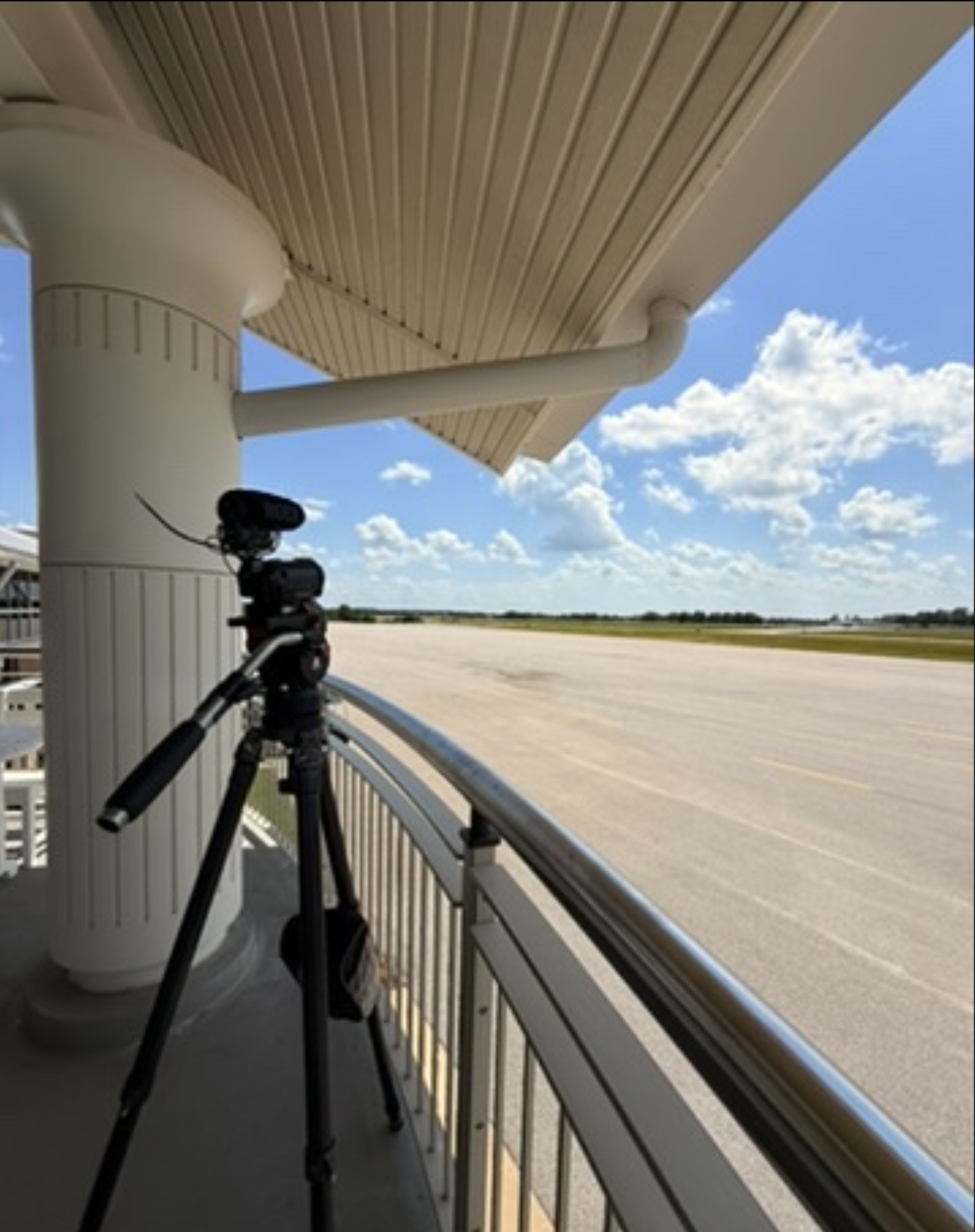
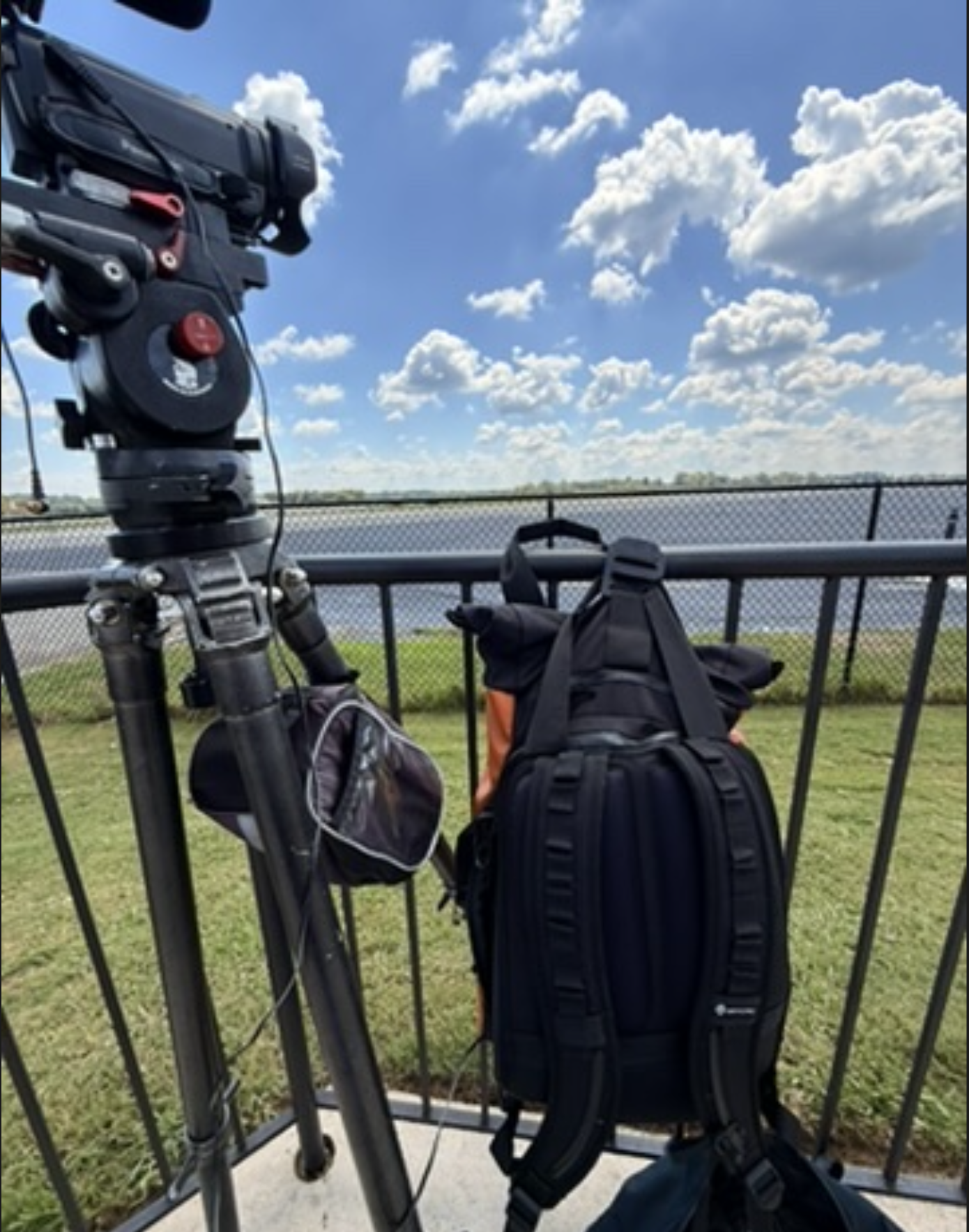
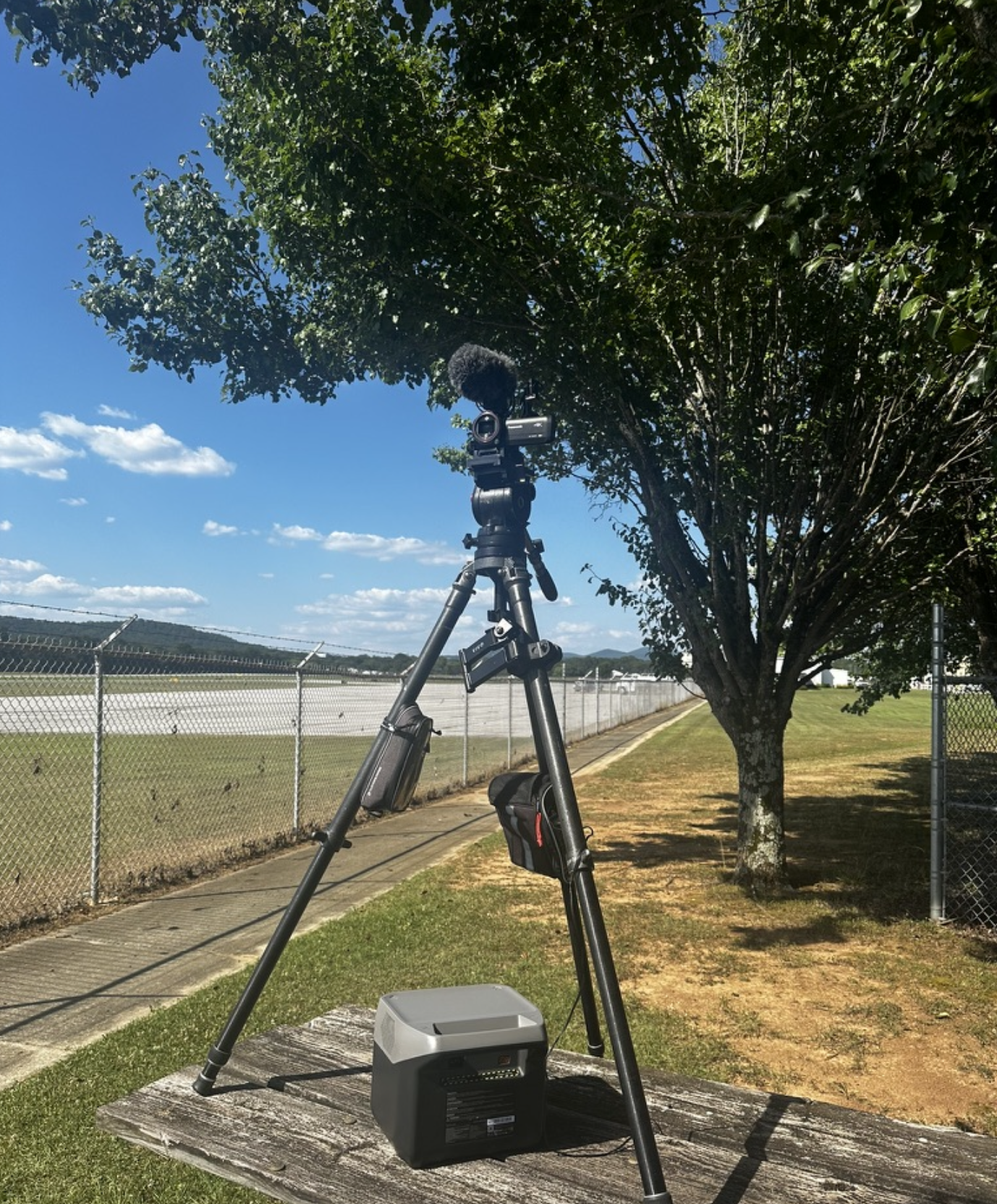
Know your stance: Always be able to identify exactly where public property ends and private property begins.
Be professional: You don't need to be combative to be firm. Carry a copy of your credentials or a basic "Know Your Rights" sheet.
Focus on the aircraft: Your goal is documentation, not harassment. Keeping the focus on the airframe helps clarify your intent as a documentarian.
Join the Conversation
The "OSINT vs. Privacy" battle is heating up as new regulations make digital tracking harder. We believe that as long as there are public runways, there should be public accountability.
Have you ever had a run-in with overzealous security or a private pilot while filming from public property? How did you handle it? Let’s talk about the challenges of ground-truth documentation in the comments below.
Disclaimer: This article is for informational purposes and does not constitute legal advice. For specific legal concerns, always consult with a qualified attorney.
